Peptide Publications Archive
Showing items in Delivery & Targeting · Clear filter
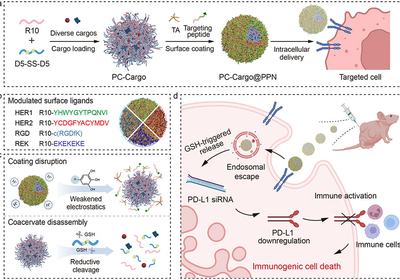
Coacervates Find Targets
Jiang, Caruso, and Liu Groups
Peptide coacervates are promising drug carriers, but poor stability and nonspecific uptake have limited their therapeutic reach. A new polyphenol–peptide network coating changes that equation, …
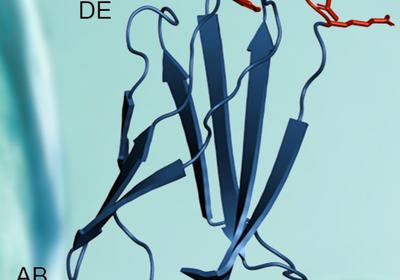
Unlocking Intracellular Space
Pei Lab
Delivering functional proteins into living cells has long been a bottleneck for biologics-based therapies. A newly engineered membrane translocation domain built on a human fibronectin …
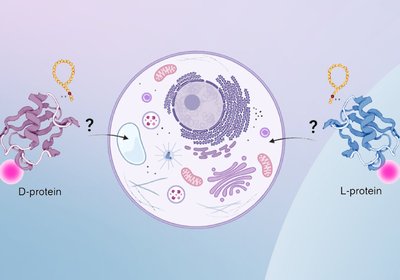
Mirror Cargo Uptake
Brik Lab
D-amino acid proteins resist proteolytic degradation and are prized as therapeutic scaffolds, yet a fundamental question has lingered: do mirror-image cargos enter cells as readily …
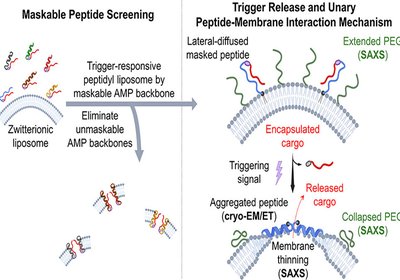
Masked Magainin
Lee Lab
Researchers supervised by Professor Hsien-Ming Lee at the Institute of Chemistry, Academia Sinica, Taipei, Taiwan, published in J. Am. Chem. Soc., screened nine cationic …
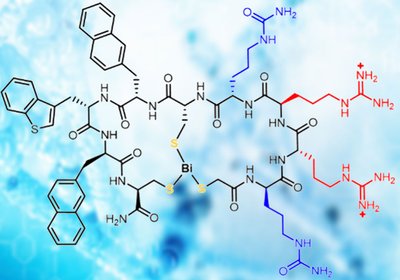
Losing the Charge
Pei Lab
A bicyclic peptide carrying just a +2 charge outperforms its highly cationic parent, upending the dogma that cell-penetrating peptides need dense positive charge to work
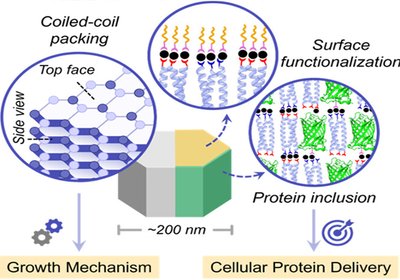
Crystals Deliver Cargo
Chmielewski Lab
Ni(II)-assembled coiled-coil peptide nanocrystals pack hundreds of folded proteins and, when decorated with a TAT peptide, triple their intracellular delivery efficiency
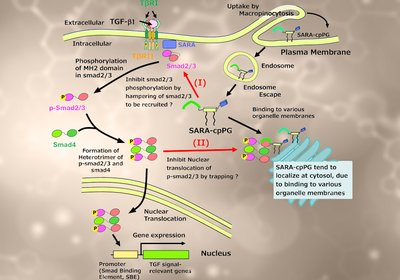
Blocking Nuclear Entry
Mizuno Group
Peptide-based therapeutics hold enormous promise for modulating intracellular signaling, but their impact has been limited by poor membrane permeability. Most peptide drugs remain confined to …
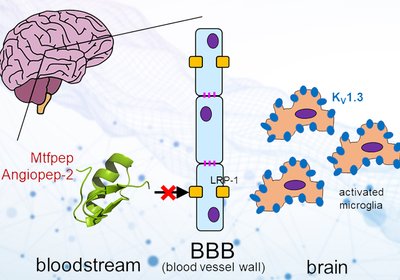
Barrier Shuttle Peptides
Norton Lab
Researchers supervised by Professor Raymond S. Norton at Monash University, Australia, published in the International Journal of Peptide Research and Therapeutics, developed a modular …

Targeted Fusion Inhibitors
Cheloha Lab
Researchers in the Cheloha Group at the National Institutes of Health, published in the Journal of the American Chemical Society, have developed nanobody-fusion inhibitor …
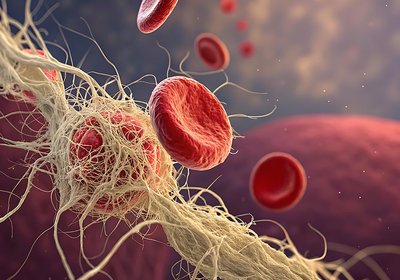
Hemostatic Protein Polymers
Nash Group
Researchers supervised by Professor Michael A. Nash at the University of Basel, published in the Journal of the American Chemical Society, engineered a library …
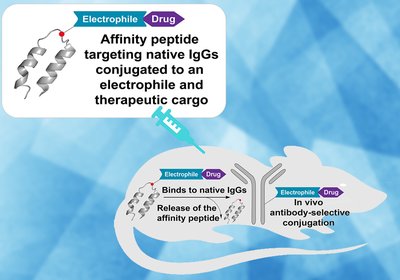
Antibody Drug Painting
Pentelute Group
Researchers in the Pentelute Group at the Massachusetts Institute of Technology, collaborating with several other institutes and groups at MIT, published in Chem, have …
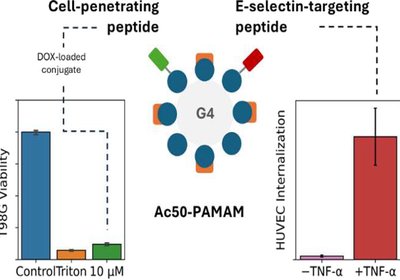
Dual Targeting Dendrimers
Alderete & Jiménez Labs
Tumor blood vessels differ from healthy vasculature in ways that drug developers can exploit. Endothelial cells lining tumor vessels overexpress E-selectin, a glycoprotein normally involved …
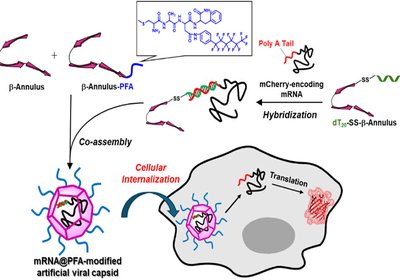
Fluorinated Viral Mimics
Matsuura Lab
Messenger RNA therapeutics have transformed medicine, from vaccines against infectious diseases to emerging applications in cancer immunotherapy and genome editing. Unlike DNA-based treatments that require …
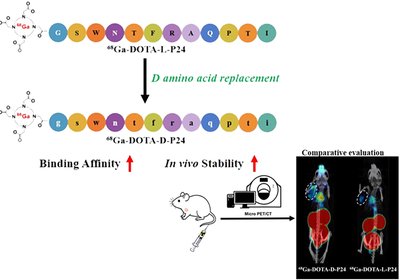
Mirrored for Stability
Luo Lab
T-cell immunoglobulin and mucin domain 3, TIM-3, ranks among the most promising immune checkpoint targets in oncology. Expressed on exhausted T cells, natural killer cells, …
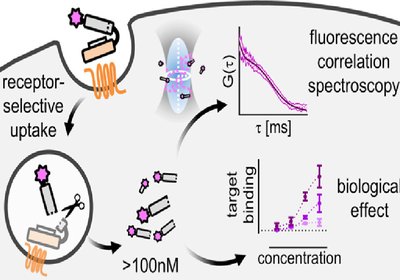
Cytosolic Delivery
Beck-Sickinger Lab
Therapeutic peptides offer a powerful strategy for disrupting intracellular protein-protein interactions that small molecules cannot effectively target. However, delivering peptides to the cytosol presents a …
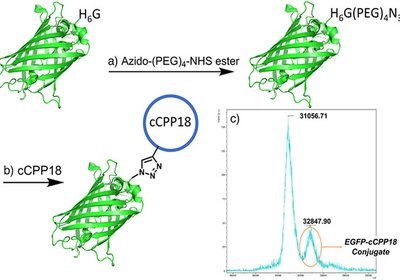
Crossing Cell Barriers
Meldal Lab
The cell membrane stands as biology's most formidable gatekeeper. Large molecules, from therapeutic proteins to diagnostic agents, cannot simply walk through. This barrier has frustrated …
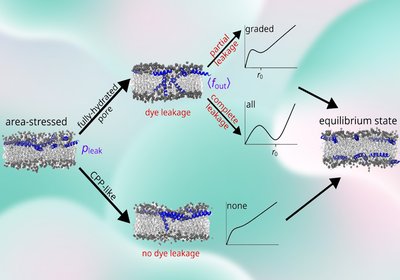
Ephemeral Pores
Pastor Lab
In a PNAS study, researchers from the Pastor group at the National Institutes of Health, NIH, and the Cotten group at Oregon State University present …
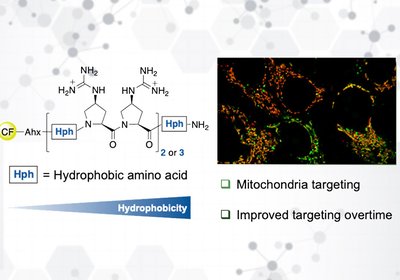
Mitochondrial Click
Wennemers Lab
In work published in ACS Chemical Biology, Adeline Schmitt, under the guidance of Helma Wennemers at ETH Zürich, investigated rigid polyproline II, PPII, helical …
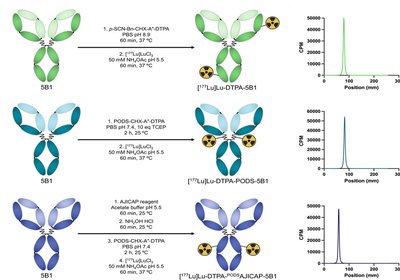
Targeted Conjugates
Zeglis Lab
For two decades, immunoconjugates have been a mainstay of targeted oncology, from antibody–drug conjugates to radioimmunotherapy probes. The clinical challenge has never been the underlying …
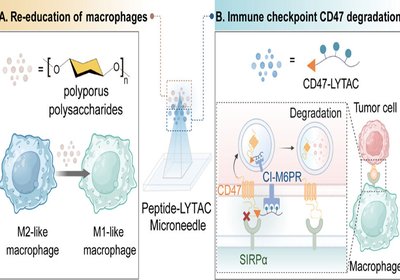
Delivery of Peptide-LYTAC
Luan Lab
While immune checkpoint blockade, ICB, therapies have transformed cancer immunotherapy, tumors such as melanoma frequently exploit the CD47-SIRPα axis to evade macrophage-mediated clearance. Antibody-based CD47 …
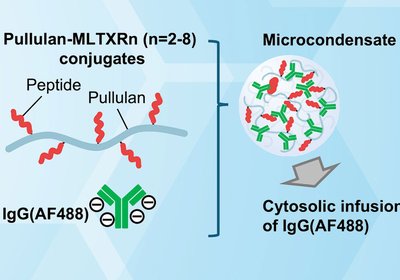
Intracellular Targeting
Futaki Lab
The delivery of biomacromolecules directly into the cytosol remains a central challenge in therapeutic peptide science. Coacervate-based systems offer a promising platform, yet many are …
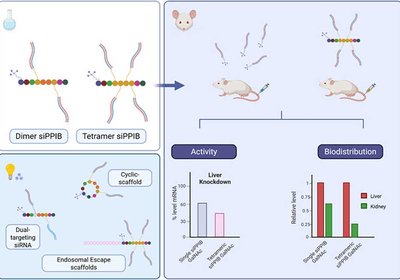
Efficient siRNA Delivery
Anders Lab
In this collaborative study, published in Bioconjugate Chemistry by researchers from the Dahlén group at Astra-Zeneca, Gothenburg, Sweden, and the Andaloussi team at the Karolinska …