SuFEx Locks Rings

Reflecting work in the Fan and Mi Teams

Published here October 19, 2026

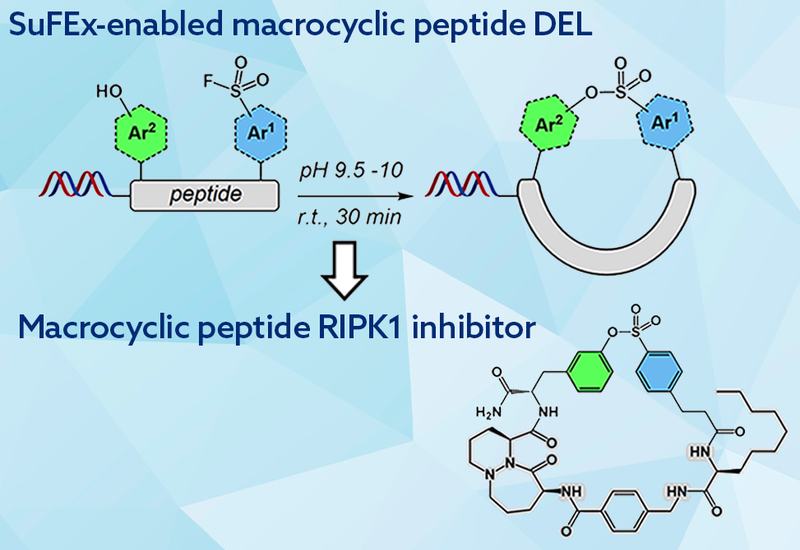
SuFEx Cyclization Enables DNA-Encoded Macrocyclic Peptide Libraries for Drug Discovery

Tianxiong Mi, Lijun Fan, Amber Hackler, Diego B. Diaz, Chang Qi, Errol L. G. Samuel, Qi Gao, Tao Meng, Xingjian Xu, Erwin G. Abucayon, Edward N. DiNunzio, Marcelo J. Murai, Natalya Pissarnitski, Jordan De Jesus Silva, Christopher Sondey, and Jack D. Scott

Journal of the American Chemical Society 2026, https://doi.org/10.1021/jacs.6c07049

View Original Publication


Macrocyclic peptide libraries built on DNA-encoded library, DEL, or display platforms depend on cyclization chemistries that are fast, aqueous, and biocompatible, yet existing methods carry persistent trade-offs. Thioether formation and copper-catalyzed azide-alkyne cycloaddition, CuAAC, are widely used, but both face linker instability, metal-induced DNA damage, and residual metal contamination that can require resource-intensive linker replacement. Metal-free chemistries that match the biocompatibility of those approaches while furnishing stable linkers are therefore highly desirable. A separate gap concerned the target class itself: whether macrocyclic peptides can efficiently bind the ATP-binding pocket of RIPK1 and inhibit its catalytic activity had remained underexplored.

Researchers on the Fan and Mi Teams at Merck & Co., Inc., published in the Journal of the American Chemical Society, turned to sulfur-fluoride exchange, SuFEx, chemistry to address both problems. Their strategy embeds a phenol and an aryl sulfonyl fluoride within a DNA-tagged peptide so that intramolecular cyclization triggers upon dissolution in basic aqueous buffer; tethering the SuFEx hub to an aryl alcohol raises effective molarity and suppresses competing hydrolysis. The team attributes the preference for aqueous conditions to hydrophobic preorganization of the aryl rings, though they note this explanation is their attribution rather than a directly proven mechanism. Applied to DEL synthesis, SuFEx cyclization supported a 343-million-member macrocyclic peptide library, and affinity selection against RIPK1 delivered what the authors describe as, to their knowledge, the first cyclic-peptide inhibitor of that kinase, with biochemical potency confirmed in an ADP-Glo kinase assay at an EC50 of 174 nM.

The authors describe SuFEx cyclization as a robust, DEL-compatible strategy for programmable macrocycle design and drug discovery, and propose it is expected to take its place alongside CuAAC and thioether formation for therapeutic macrocyclic peptide development. For peptide chemists working on kinase-targeted macrocycles or next-generation DEL platforms, the full building-block scope, selectivity data, conformational analysis, and screening workflow are detailed in the original publication.
Author

Dr. Lijun Fan earned his bachelor’s degree in chemistry from Tsinghua University, Beijing, China and his Ph.D. in Organic Chemistry from Cornell University, Ithaca, NY. His doctoral research, conducted under the mentorship of Dr. Bruce Ganem, focused on synthetic organic chemistry and methodologies relevant to chemical biology. Upon graduation, he entered in the field of DNA encoded library technology at GlaxoSmithKline at Boston. His work involved the development and synthesis of novel DNA encoded chemical libraries, contributing to pharmaceutical discovery. In 2018 he transitioned to Merck and established the DNA encoded library screening capabilities there. His current focus is continued chemistry and technology advancement in DNA encoded library technology, including their applications in macrocyclic peptide discovery.

Author

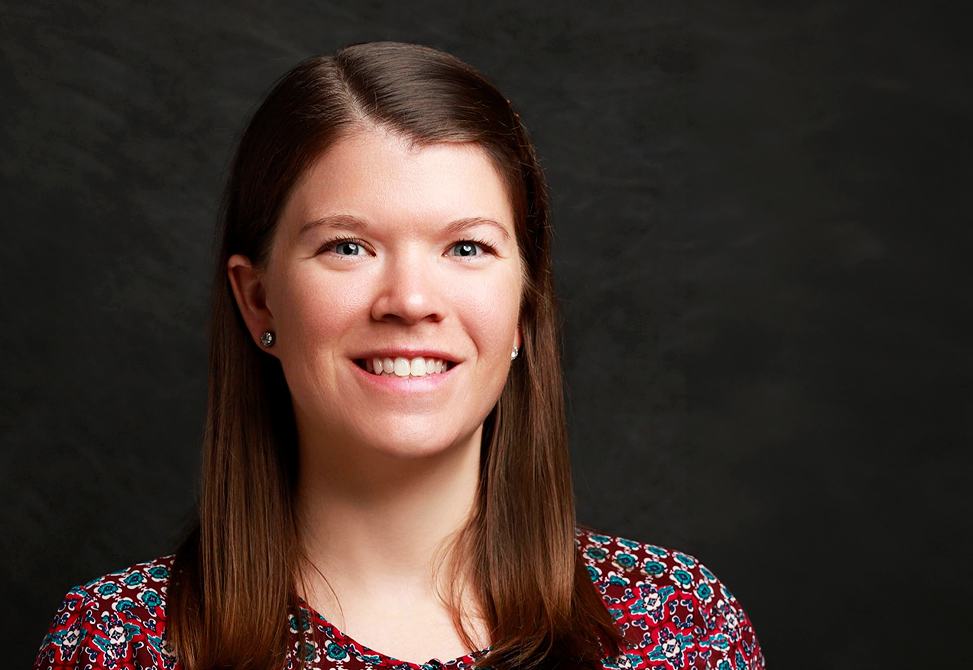
Dr. Amber Hackler is an Associate Principal Scientist at Merck, specializing in high-throughput discovery within the DEL screening group. She received her Ph.D. from The Scripps Research Institute, where she specialized in DNA-encoded library, DEL, screening technology. At Merck, she applies these advanced technologies to discover novel chemical matter across highly diverse chemical spaces.

Author

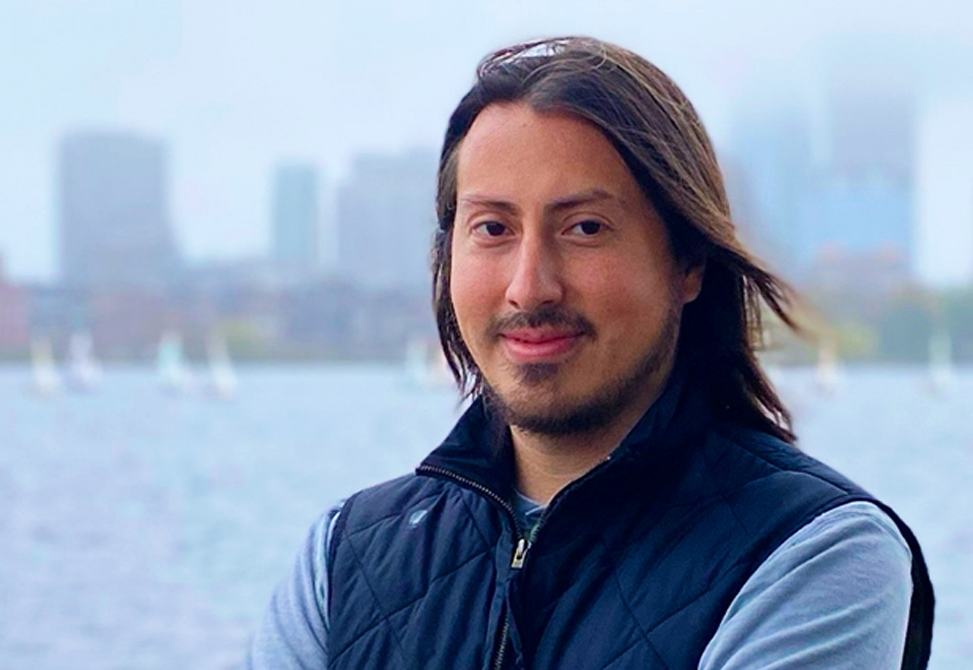
Dr. Diego B. Diaz is a Senior Scientist in Discovery Chemistry at Merck & Co., Inc., Rahway, NJ, USA. He holds an HBSc and a Ph.D. from the University of Toronto, followed by postdoctoral training as an NSERC Banting Fellow at Harvard University and an instructional appointment at Massachusetts Institute of Technology. Specializing in peptide-based therapeutics, catalysis, and conformational analysis, Diego leads cross-functional efforts focused on the design, synthesis, and optimization of early-stage macrocyclic drug candidates.

Author

Dr. Jordan De Jesus Silva earned his Master’s degree in Chemistry, 2018, and his Ph.D. in Chemistry, 2022, from ETH Zurich, Switzerland. His doctoral research, conducted under the supervision of Dr. Christophe Copéret, focused on high-throughput experimentation for rational catalyst design. He then transitioned to the pharmaceutical industry, joining Merck & Co., Inc. in Rahway, NJ, where he currently serves as a Senior Scientist in Discovery Analytical Chemistry. At Merck, Jordan applies his expertize in automation and data science to support discovery and formulation research.

SuFEx Locks Rings

Author

Dr. Tianxiong Mi is a Senior Scientist in Discovery Chemistry at Merck & Co., Inc. He obtained B.S. degree from Peking University and Ph.D. from Texas A&M University before completing postdoctoral training at Merck. His research focuses on peptide chemistry, specializing in cyclization reaction development, conformational analysis, and macrocyclic drug discovery from hit identification through lead optimization.